The price tag on a Chinese-made folding knife has never told the whole story. Under the Harmonized Tariff Schedule, a folder with a blade under a certain class lands in HTS 8211.93.00, the line for knives having other than fixed blades, and as of November 1 that line carries one of the heavier duty stacks in the outdoor category.
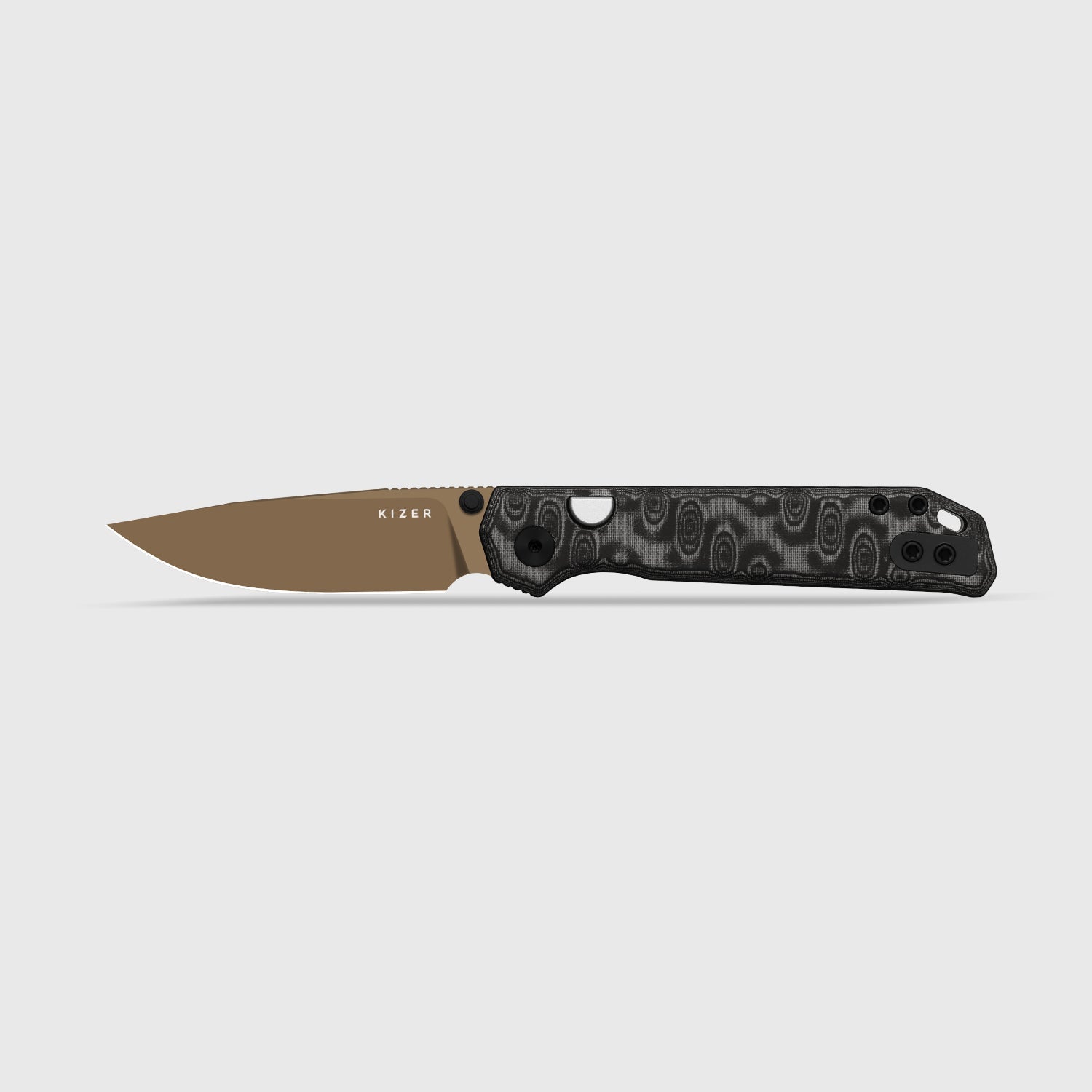
Run a $10,000 ocean shipment of folders from China through a commercial duty calculator and the numbers come back like this, using HTS Hero's published rates for the line as of November 1.
| Layer | Rate | What it is |
|---|---|---|
| Base duty | 3 cents per knife + 5.4% | Column 1 general rate on HTS 8211.93.00 |
| Section 232 | 25% of full value | Steel, aluminum and copper derivative articles |
| Section 301 | 25% | China List 3 |
| MPF + HMF fees | about 0.47% | Customs processing |
| Total | about 56% | Payable to CBP at entry |
On that shipment, $5,570 in duty lands on $10,000 of customs value before fees. Applied to a single knife, a folder wholesaling at $60 clears the border closer to $95. That gap has to go somewhere, and it goes into shelf prices, into slimmer margins, or into the decision to skip the US market entirely.
Why a knife counts as a metal product
The expensive part is not the China tariff. It is the Section 232 treatment, which applies to knife imports from every origin. Since the April 6, 2026 presidential proclamation, Section 232 duties on derivative articles are assessed on the full customs value of the product, not just its metal content. The Miller & Co. trade advisory listing the April changes names knives among the covered derivative articles. The same advisory notes one escape hatch: products where steel, aluminum and copper together weigh less than 15 percent of the total are exempt. A titanium-framed folder with a steel blade clears that bar easily. A liner-lock folder with steel liners, steel screws, a steel pivot and a steel clip probably does not.
The November 9 window
There is a deadline attached to part of this stack. USTR extended 178 product exclusions from the Section 301 China tariffs in November 2025, after the US-China trade arrangement announced that November 1, and the Federal Register notice set the end date at 11:59 p.m. Eastern on November 9, 2026. Importers who have been claiming those exclusions face entries on or after November 10 paying the full list rate. Whether USTR extends them again is the open question, and trade attorneys advising importers are telling clients to plan shipments around the date rather than hope for a reprieve.
Why prices rose without any announcement
Knife buyers rarely see any of this machinery. They see a Kizer or a QSP move from $55 to $70 between model years, or watch a brand quietly shift assembly to Taiwan, which still owes the Section 232 derivative rate but escapes the Section 301 layer. The April change did the quiet damage: putting 25 percent on the full value of a knife, rather than on its metal content, multiplied the effective burden on a $60 folder by several times overnight, and it did so without a single press release aimed at consumers.
None of this makes a $70 Chinese folder a bad buy. It does explain why the budget tier of the market has been thinning out, and why the math a distributor runs before placing a reorder now starts with a customs broker instead of a catalog.