The history of the pocket knife dates back to ancient Roman times. Archaeologists have unearthed a type of small folding knife known as a “penknife” at the ruins of Pompeii—originally used to sharpen quill pens. By the 17th century, European craftsmen began creating exquisite folding knives for nobility, often adorned with ivory or silver handles; these were not only practical tools but also symbols of status. In the 19th century, industrialization brought pocket knives into everyday life. American frontier settlers, British sailors, French farmers—nearly every working person carried a reliable folding knife on their belt. It was used for whittling wood, opening letters, repairing harnesses, and even as a last-resort means of self-defense.
Today, Sao Knives—a studio from China—is reinterpreting this heritage through its own unique lens, breathing new life into traditional pocket knives. Founded in 2022, Sao Knives is an independent cutlery workshop based in Sichuan, China. Many knife enthusiasts eventually become bladesmiths, and Max Sao, the founder behind the brand, is one such example. Once an avid collector of folding knives—with hundreds of pieces from brands like Spyderco, Benchmade, and Cold Steel at his peak—Max always held a special fondness for small, lockless vintage pocket knives with naturally aged bone handles, particularly classic models from GEC, Queen, and Northwood.
Yet he gradually noticed a problem: while beautiful, these knives struggled to fit into modern life. Their pinned construction prevented customization, their slipjoint mechanisms felt stiff, and overall, they resembled museum artifacts—meant more for admiration than daily use. “I don’t want to simply replicate the past,” he realized. “I want to bring tradition into the present.”
Thus, Sao Tools was born—not with grand declarations, but with a quiet, sincere mission: to craft pocket knives that preserve the soul of vintage design while embracing the functionality and reliability of modern engineering.
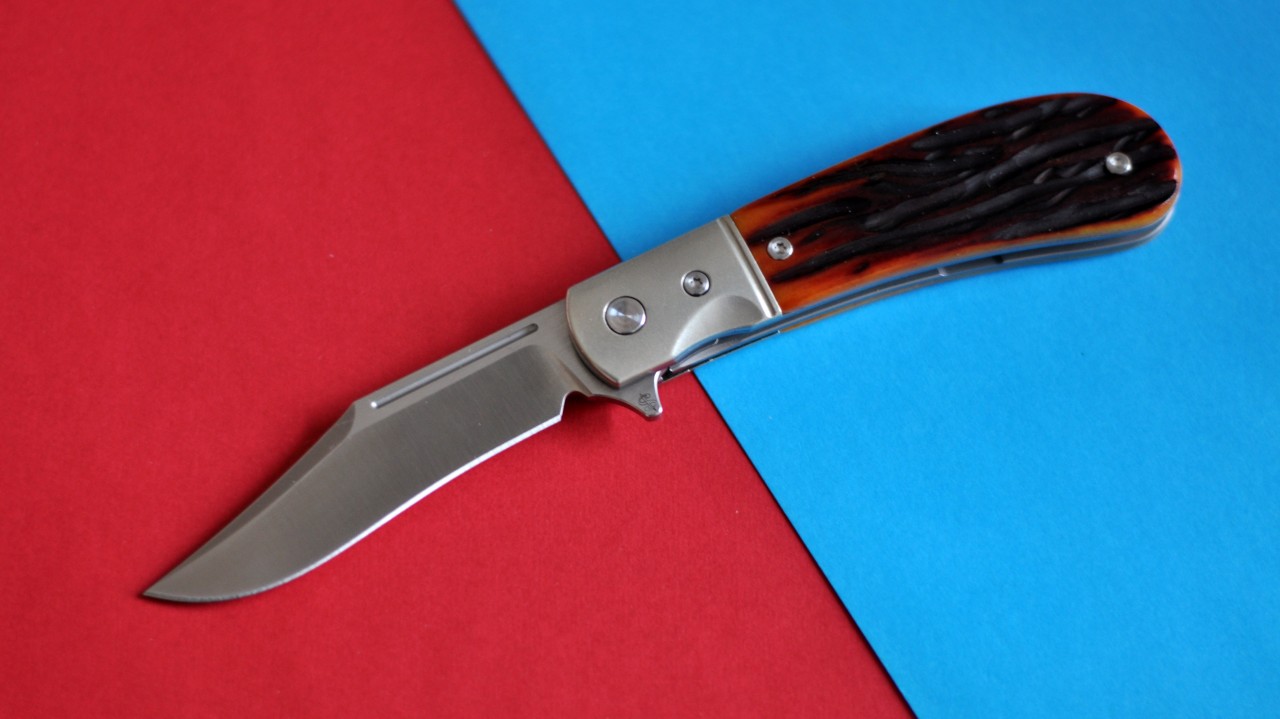
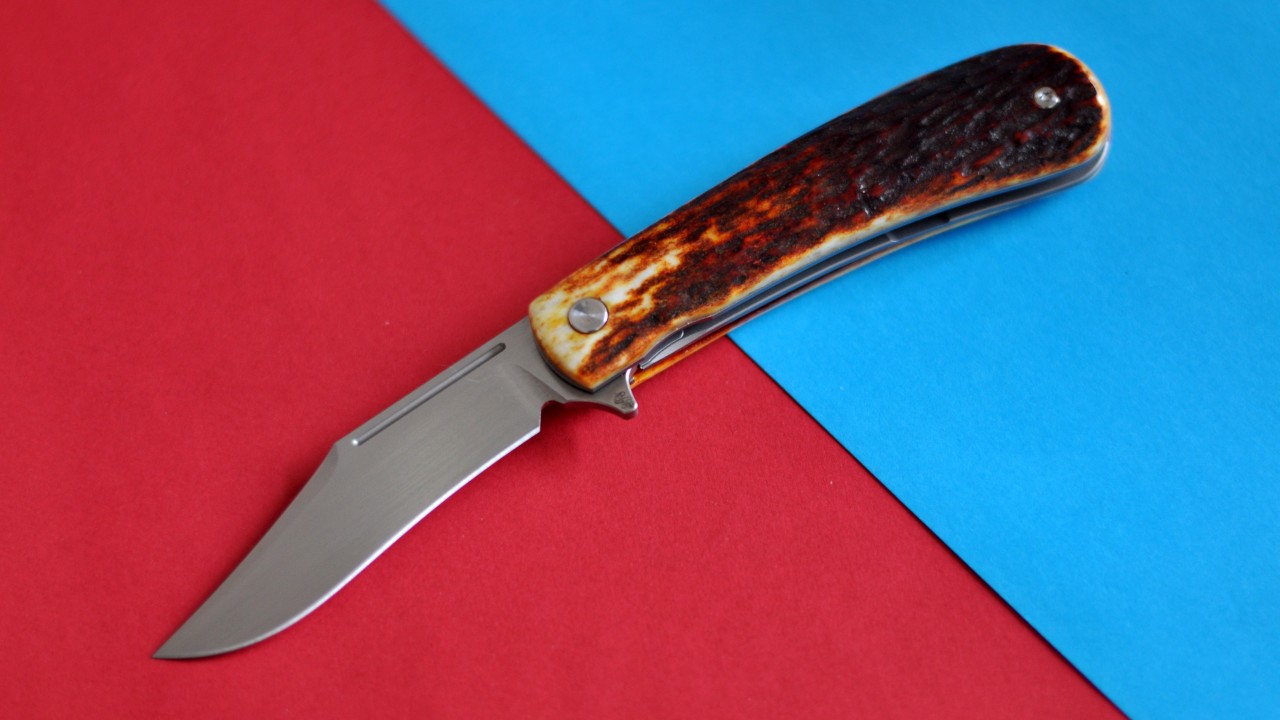
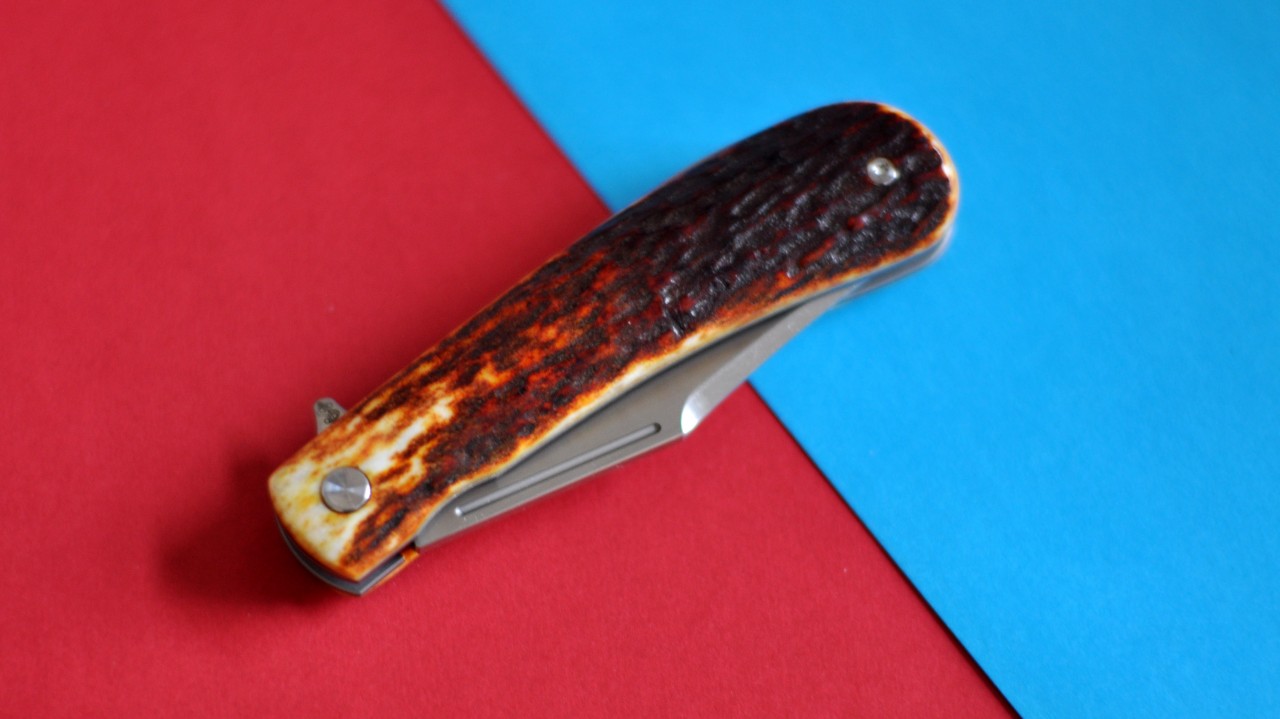
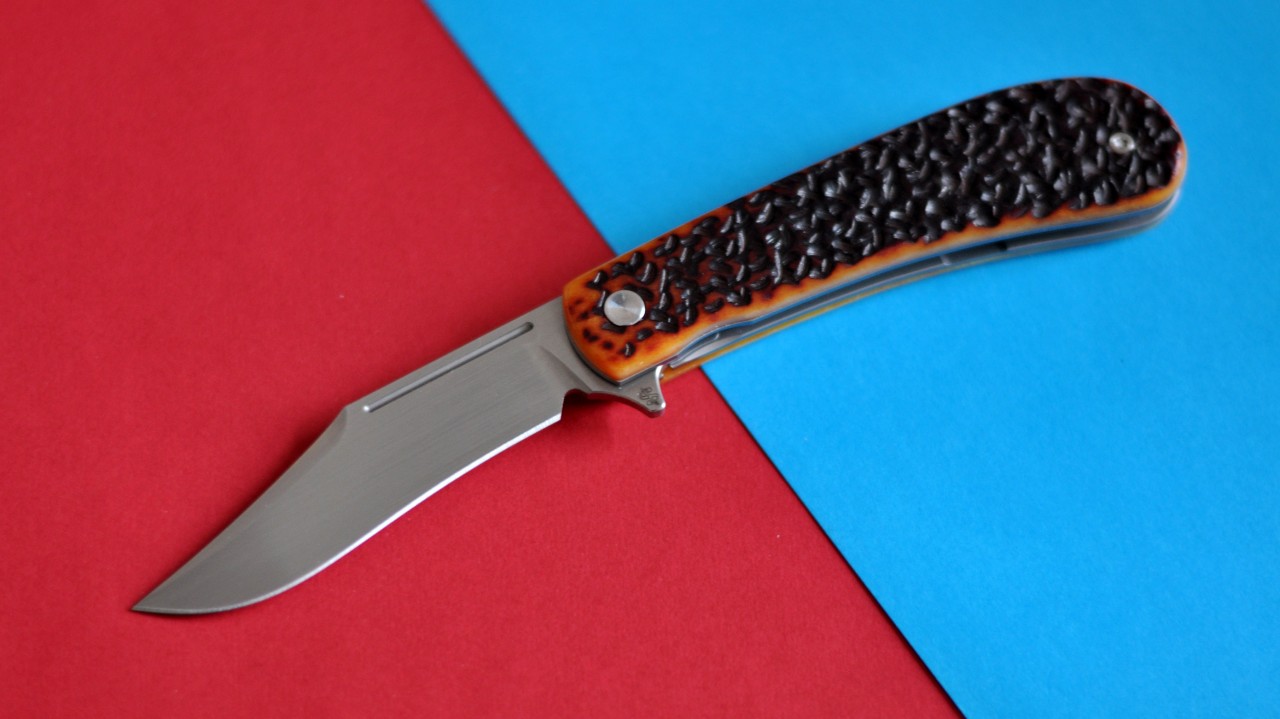
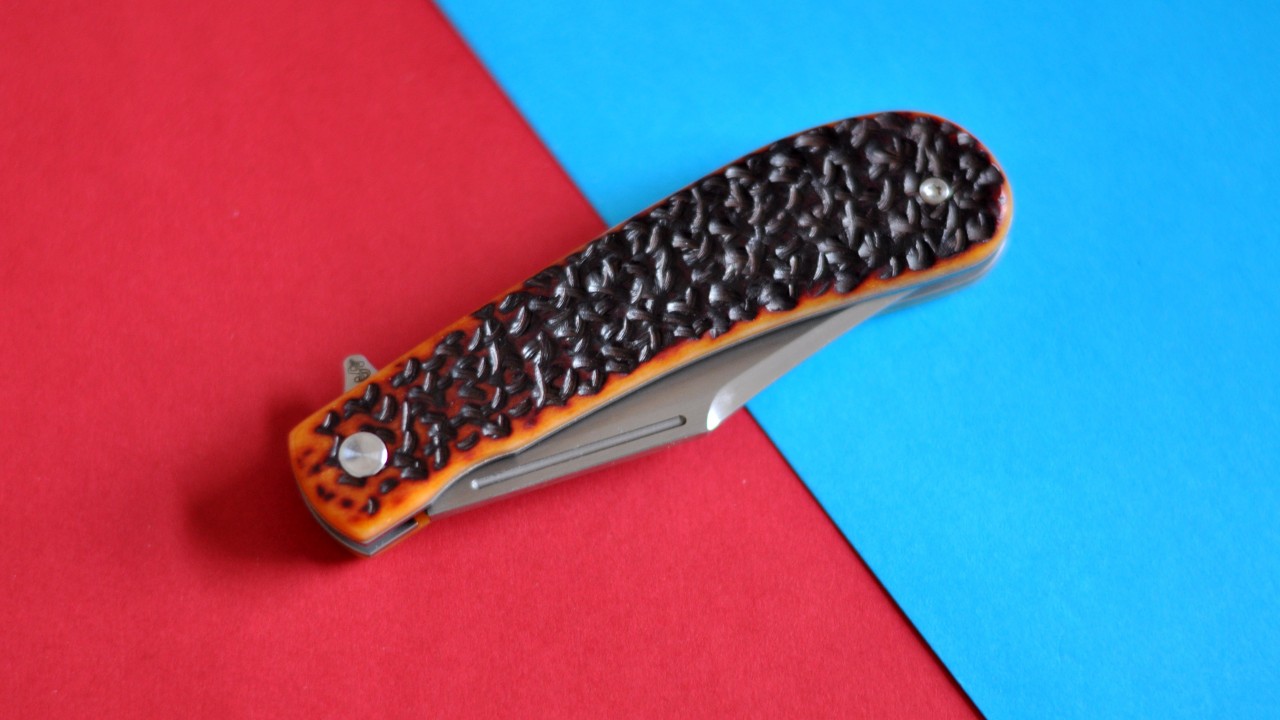
Like most designers, Max’s path has been one of study, refinement, and innovation. The result is the “Fei Lanny,” launched in 2025—a contemporary reinterpretation of the classic “Lanny” pocket knife. The “Fei” (meaning “fly”) in its name doesn’t refer to speed, but rather to a sense of lightness and freedom. It abandons traditional pinned construction in favor of a reinforced steel liner with dual-sided, user-replaceable scales, allowing owners to swap between materials such as stag horn, mammoth ivory, walrus tusk, or black ebony—effectively giving the knife a new “outfit” at will.
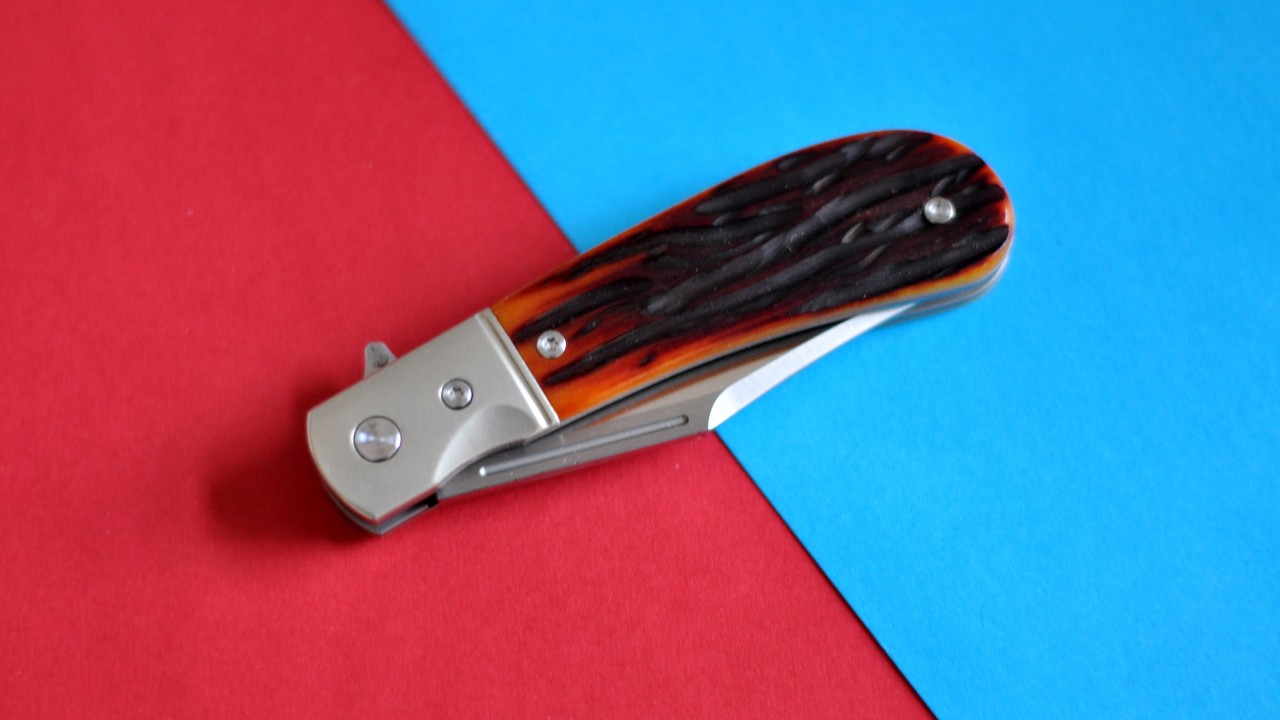
Replacing the traditional slipjoint mechanism with a modern back-spine flipper—one of today’s most popular opening systems—and pairing it with a precision-tuned washer pivot system (not ball bearings), the Fei Lanny achieves smooth, crisp deployment without feeling loose or sloppy—a difficult balance to strike in handcrafted knives, yet one it accomplishes with grace.
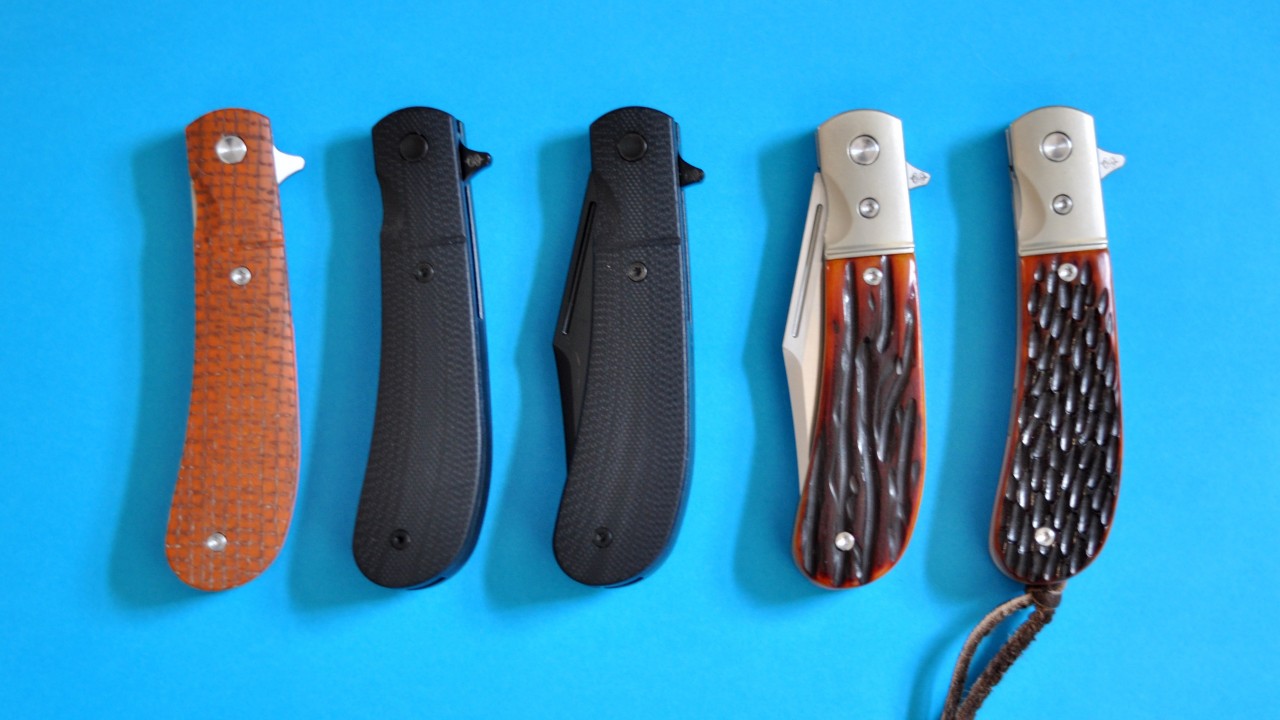
The Fei Lanny is made from CPM-20CV steel and offers three blade finishes: satin, hand-brushed, and black PVD. Handle options include deer bone, stag horn, G10, and micarta. Additionally, the bolster version includes extra decorative scale inserts, blending vintage aesthetics with modern craftsmanship. With an overall length of 17.6 cm, a blade thickness of 3 mm, and weights of 86 grams (steel liner) or 67 grams (titanium liner), its size and weight make it exceptionally well-suited for EDC (Everyday Carry).
For Max Sao, a pocket knife is never just a tool. It is a companion carried close to the body, a gentle weapon against life’s coarseness, and a bridge connecting centuries-old craftsmanship with contemporary daily life. He rarely lists technical specs; instead, he prefers to tell stories—of how a knife was repeatedly sanded, reworked, and reborn in his hands; of how black ebony feels against the palm on a winter day, like “touching the traces of time”; of how a lanyard allows the pinky finger to hook and assist deployment, replacing the need for a pocket clip and preserving the integrity of the handle’s aesthetic.
As he wrote in his essay “The Pocket Knife Path”:
“More and more people are beginning to appreciate the pocket knives I make. I hope that even more people around the world will use and cherish them—carrying these knives to different corners of the earth, embracing beauty and goodness along the way.”
Indeed, the pocket knife has long transcended its role as a mere utility object. Today, it stands at the heart of EDC culture—tucked into the jeans of urban commuters, nestled in the tactical vests of outdoor adventurers, and displayed in the glass cases of collectors—continuing its story in countless forms, wherever life takes it.