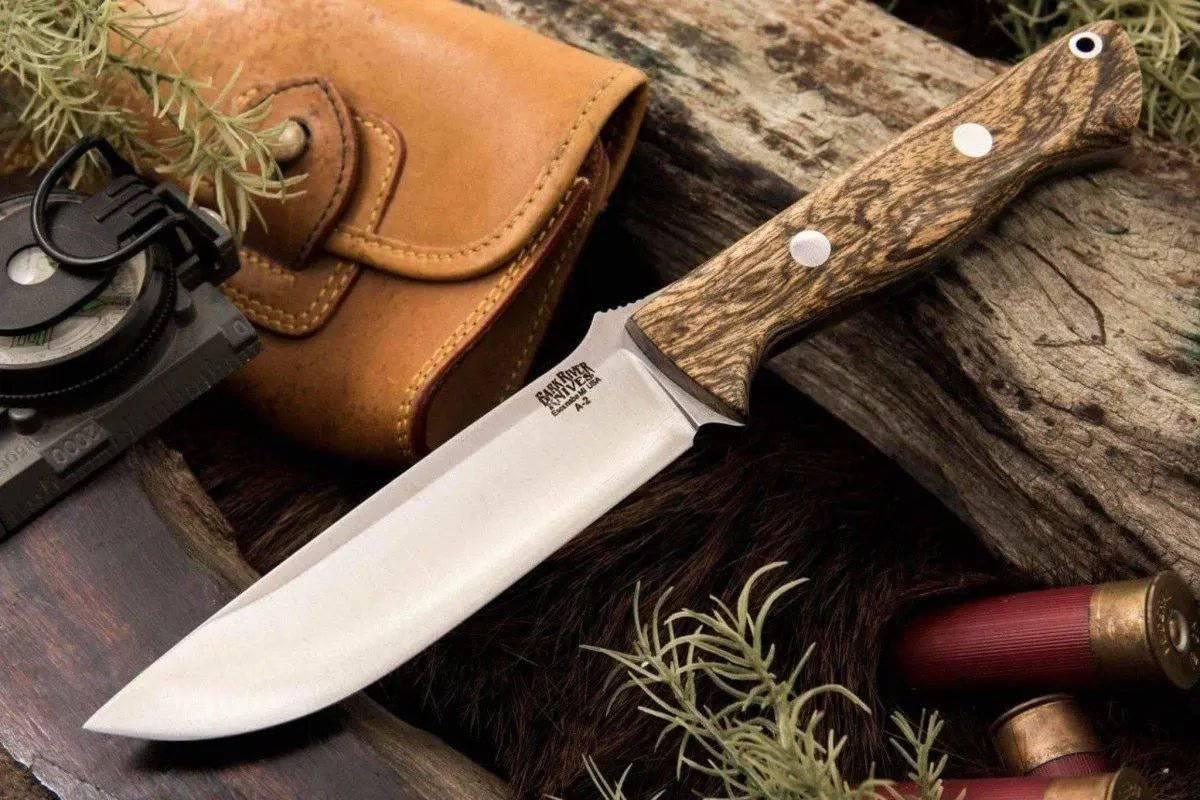
In the quiet Upper Peninsula town of Escanaba, Michigan, a workshop that once hummed with belt grinders and the smell of heat-treated steel has gone silent. Bark River Knives—beloved by hunters, bushcrafters, and collectors for its rugged " convex ground" blades and rustic aesthetics—has closed its doors for good. But this is no ordinary business closure. What emerged in founder Mike Stewart's stunning confession has sent shockwaves through the knife community: years of deliberate steel mislabeling, "Made in USA" fraud, and a betrayal of trust that may reshape how consumers view American-made cutlery.
The Warning Signs Were There
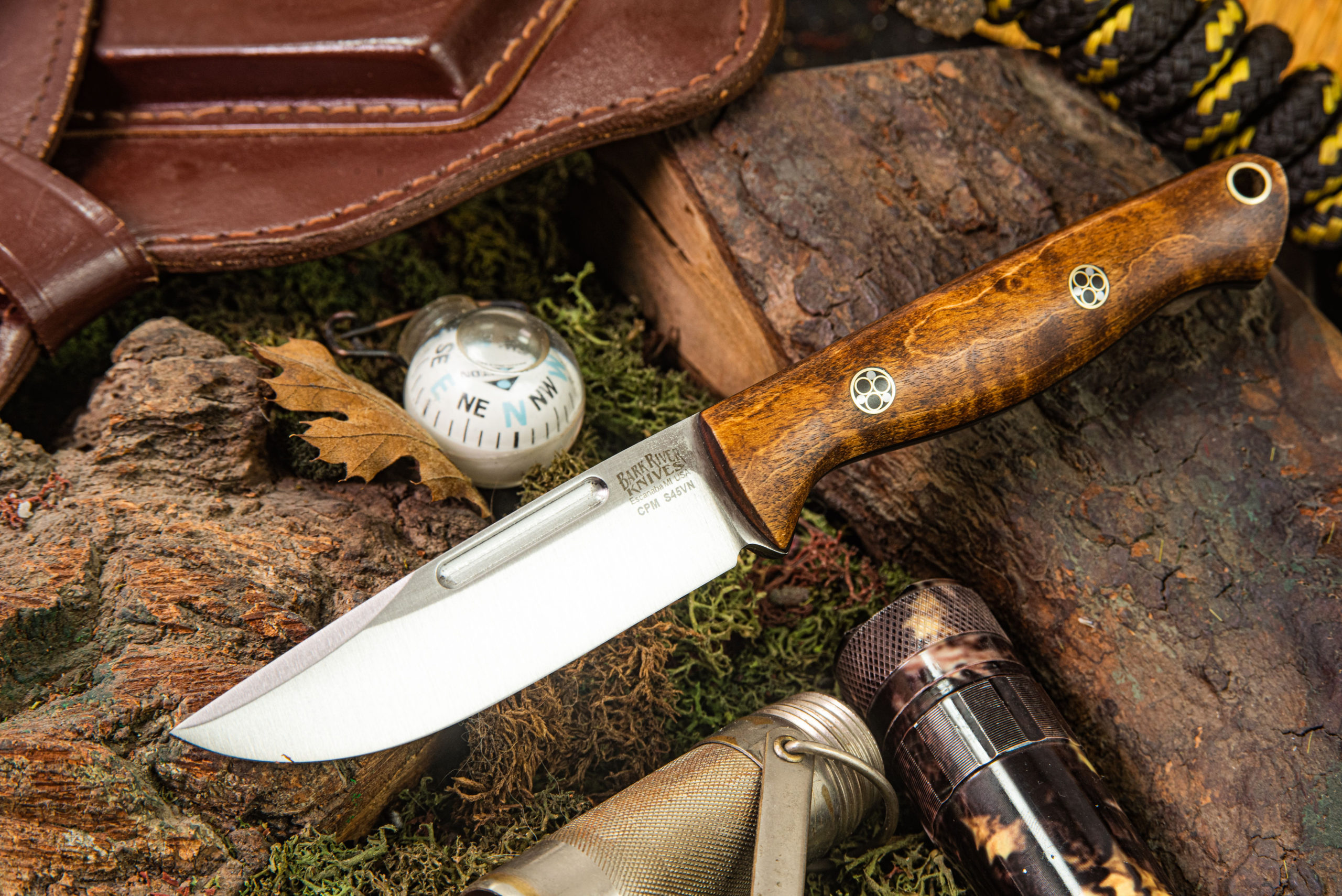
For those paying close attention, the trouble began brewing in late 2024. On BladeForums and Reddit, puzzled owners of Bark River's premium CPM MagnaCut knives began posting photos of blades that shouldn't exist—MagnaCut blades with active rust spots. "I thought MagnaCut was supposed to be stainless?" one user wrote, showing a Santoku-style knife with orange-brown oxidation along the edge.
At the time, DLT Trading—one of Bark River's largest dealers—offered a plausible explanation: cross-contamination. Perhaps, they suggested, grinding belts used on high-carbon steels like 3V or A2 hadn't been properly cleaned before MagnaCut blades were processed, leaving carbon steel particles embedded in the "stainless" surface. It was a reasonable theory. It was also, we now know, entirely wrong.
The Confession
On March 23, 2026, three days after the company abruptly shut its doors without warning employees, Mike Stewart broke his silence on Facebook. The post was not what the community expected. There was no deflection, no blame-shifting to suppliers or employees. Instead, Stewart delivered a raw, almost shocking admission of deliberate fraud spanning years.
"I have to take full responsibility for the mismanagement of the company," he wrote. "The choice to use the substitute steel was my choice and not a mistake by anyone else".
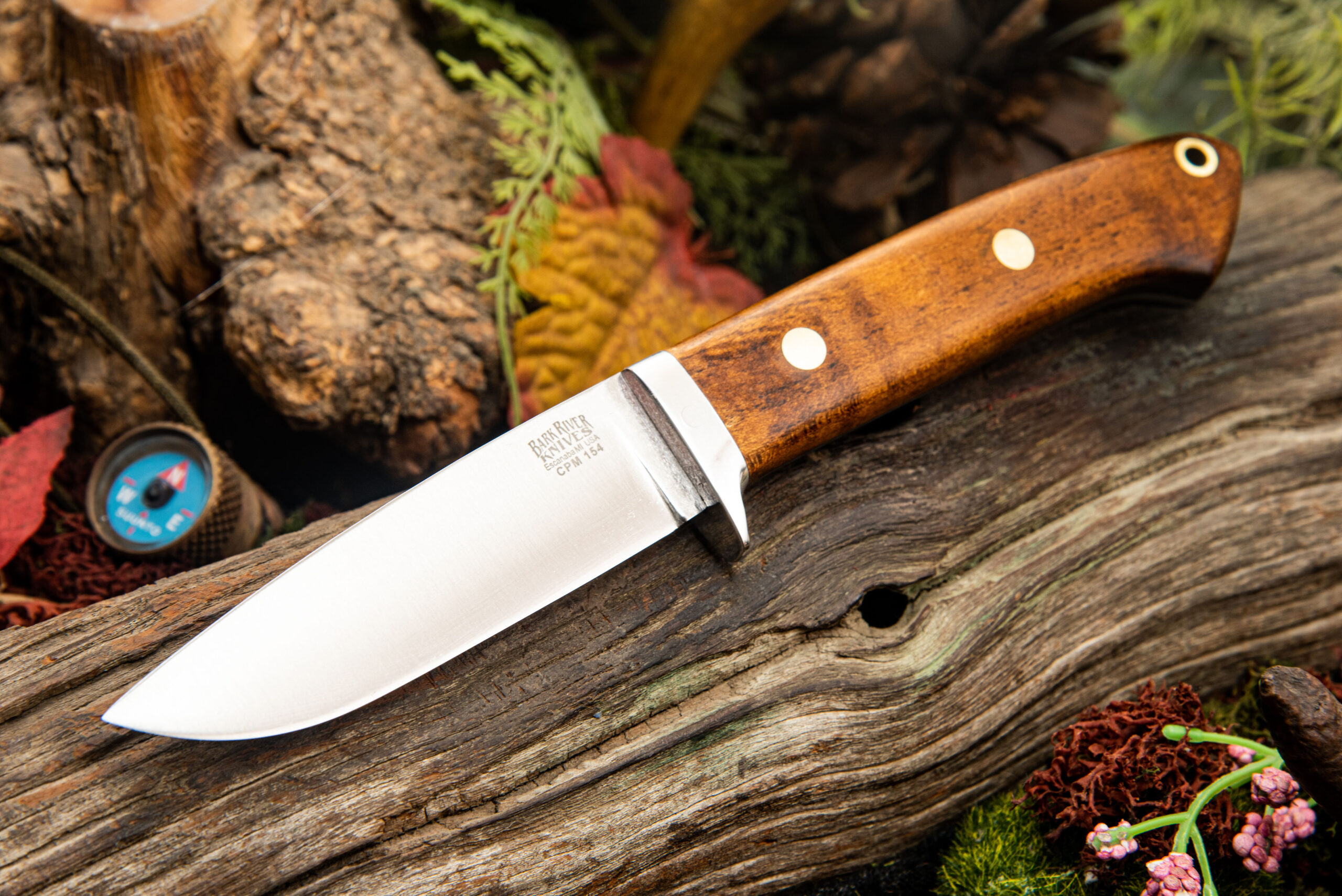
The "substitute steel" was 9Cr18MoV—a Chinese stainless steel roughly equivalent to 440C, costing significantly less than the premium American-made CPM-154 or 154CM steels marked on the blades. Stewart explained that as financial pressures mounted and domestic steel suppliers cut off credit, he began importing knife blanks from China. His employees—many of whom had spent decades with the company—were instructed to grind off the "Made in China" markings, reshape the blades, and apply Bark River's familiar convex edge. The result was sold as American craftsmanship.
"The steel was mislabeled," Stewart acknowledged, though he couldn't resist adding a defense: testing showed the Chinese steel performed comparably to CPM-154 in edge retention and toughness, with superior corrosion resistance. It was a curious justification—if the steel was so adequate, why the elaborate deception?
The Human Cost
Behind the metallurgical fraud lies a story of economic desperation and moral compromise. A former employee posting on The High Road forum described watching coworkers "feel absolutely terrible" as they peeled off country-of-origin labels, knowing they were participating in fraud but trapped by paycheck-to-paycheck realities. When the closure came on March 20, some workers didn't even receive their final wages.
Stewart himself seemed aware of the human toll. "This closing should have happened a long time ago—I should have done it two years ago," he admitted, suggesting he prolonged the agony rather than face the inevitable.
The Dealer Dilemma
For retailers like DLT Trading, the scandal presents an existential inventory crisis. In their March 23 statement, DLT confirmed three specific models—Fox River Trailing Point, Mini Manitou, and Camp Bolo—as carrying "deceptively labeled steel". They hold substantial remaining stock, now potentially worthless, and have committed to independent metallurgical testing through Niagara Steel.
The deeper question for dealers: how does an industry built on steel authenticity verify what it's selling? Unlike electronics or pharmaceuticals, knife steel can't be validated by visual inspection. Short of destructive testing, retailers must trust manufacturers—a trust that Bark River systematically violated.
A Pattern of Controversy
Veterans of the knife trade note that Stewart's career has been punctuated by similar storms. Since entering the industry in 1987, he has been associated with controversies at Blackjack Knives, Marble Arms, and other ventures. Each time, he emerged to start anew. Whether the Bark River debacle finally closes that chapter remains to be seen.
What Comes Next
In his closing remarks, Stewart announced his son Jim would launch a new knife company—apparently untainted by the father's sins—and committed to honoring lifetime warranties on existing Bark River knives. Whether collectors will trust any Stewart-branded blade again is another matter.
For the broader industry, the Bark River collapse serves as a cautionary tale about the fragility of the "American-made" premium. In an era of globalized supply chains and razor-thin margins, the pressure to cut corners is immense. The tragedy of Bark River isn't just that a beloved maker fell—it's that the fall was so unnecessary, so prolonged, and so thoroughly dishonest.
As one forum member noted: "We didn't just lose a knife company. We lost the ability to assume that 'USA' stamped on a blade means what we think it means."
Affected Models Confirmed for Steel Mislabeling:
Camp Bolo
Fox River Skinner (including Trailing Point variant)
Highwayman 4
Mini-Manitou
Gladstone Hunter
Bitterroot Caper
Post-2019 Club Exclusives (2 models)