A market usually announces itself with a trade show. China's contemporary art knife scene announced itself with an art fair, and the organization behind that choice is Miaoren Art, known in Chinese coverage as 秒刃艺术 or MUZENART.

The organizer's announcement credits Miaoren Art with nearly two decades of expertise in art knife curation and collection, and describes it as a pioneering force in introducing world-class makers to Chinese collectors. That is a specific kind of work: not manufacturing, not retail, but building the relationships and the vocabulary that let a collector understand why a one-off damascus piece belongs in a collection alongside painting or sculpture.
The name appears on the ground as well as in the press. Photographs from the Beijing International Knife Show earlier in 2026 show MUZENART branding on the event's display banners, alongside the BKS logo and knife brands. The organization's reach across the domestic show circuit is part of why the Ultimate Blades Show could be framed as an institutional step rather than a first-time experiment.
From collector advocate to curator
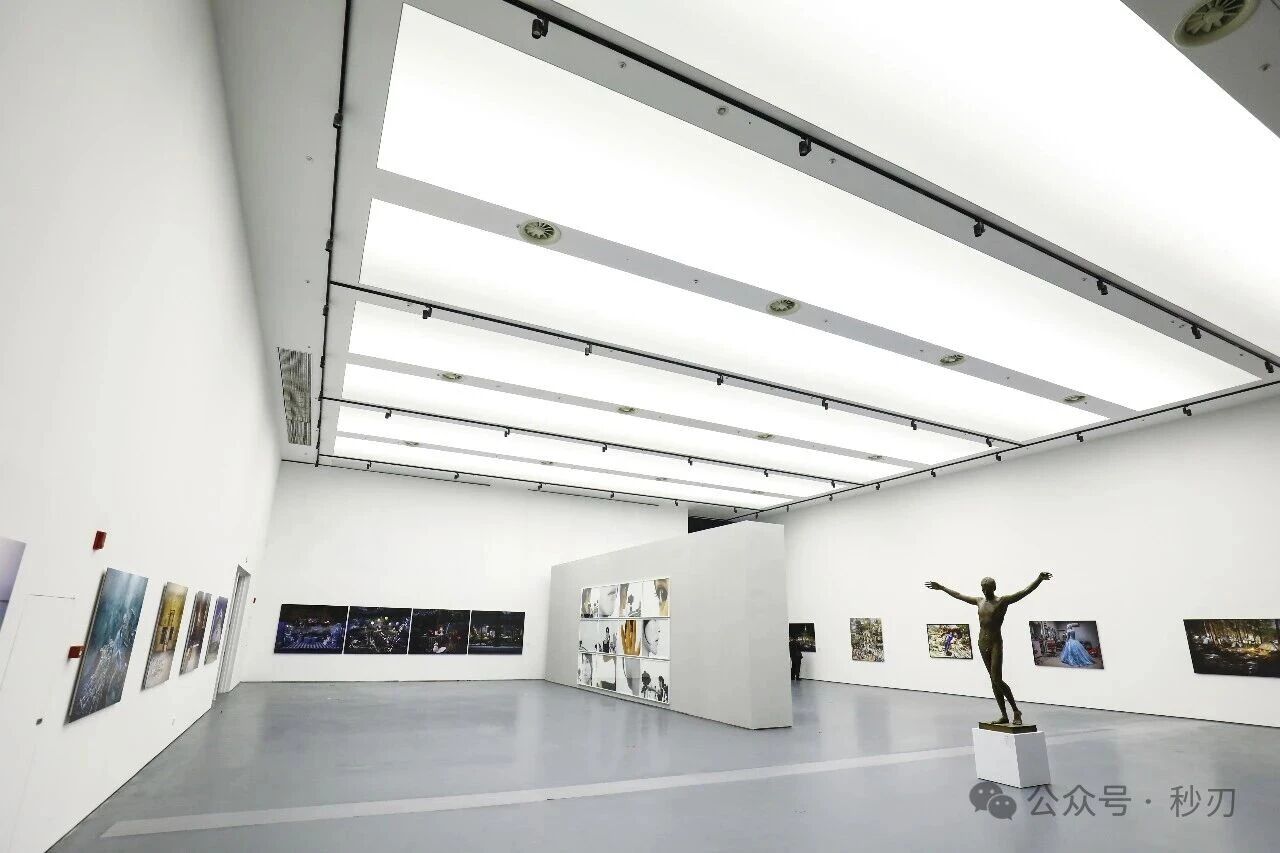
The announcement uses a phrase worth pausing on: the fair represents an evolution from collector-advocate to institutional curator. The difference is where authority sits. An advocate introduces makers to buyers and helps a market form. A curator stages a program inside a recognized cultural venue, sets a theme, selects works and asks an audience to read them in a particular way. Staging 最刀剑 at the Silk Road International Art Exchange Center, with 14 exhibition halls and museum-grade infrastructure, is the physical form of that shift.
It also changes who the fair is for. A trade show answers to dealers and manufacturers. An art fair answers to collectors and curators, and it measures success in whether a medium gains legitimacy rather than in units moved. The organizer's statement is explicit that the goal is to bring the art knife into dialogue with serious collectors and to place it within the global fine-art ecosystem.
The industry reading
For makers outside China, the announcement framed the fair as direct access to one of the more dynamic emerging markets for collectible art. For the domestic art world, it was an invitation to look more closely at a medium where metallurgy, design and concept converge in a handheld object. Both readings assume the same thing: a collector base that has moved past novelty and now wants structure, provenance and context.
There is a practical gap in the public record worth naming. No attendance figure, sales total or exhibitor count for the 2026 debut has been published in the materials reviewed here, so claims about market maturity rest on the organizer's framing rather than measured results. The two published date ranges, July 18 to August 18 for the fair and through October 18 for the associated 藏·锋 exhibition, also describe different framings of the program. Anyone assessing the Chinese art knife market should treat the institutional ambition as evidence of intent, and wait for a second edition before calling it a trend.
Whether a one-month art-fair format becomes an annual institution is not yet settled. The announced 2026 run put the vocabulary in place, and the associated 藏·锋 exhibition extended the historical argument through the autumn. The next edition will show whether the audience the fair was built for actually arrives.