270,000 square meters. That is the stated footprint of the Silk Road International Art Exchange Center in Langfang, the venue chosen for the Ultimate Blades Show (最刀剑). It is roughly 20 minutes from Beijing by high-speed rail and houses four theaters, a concert hall and 14 art exhibition halls.
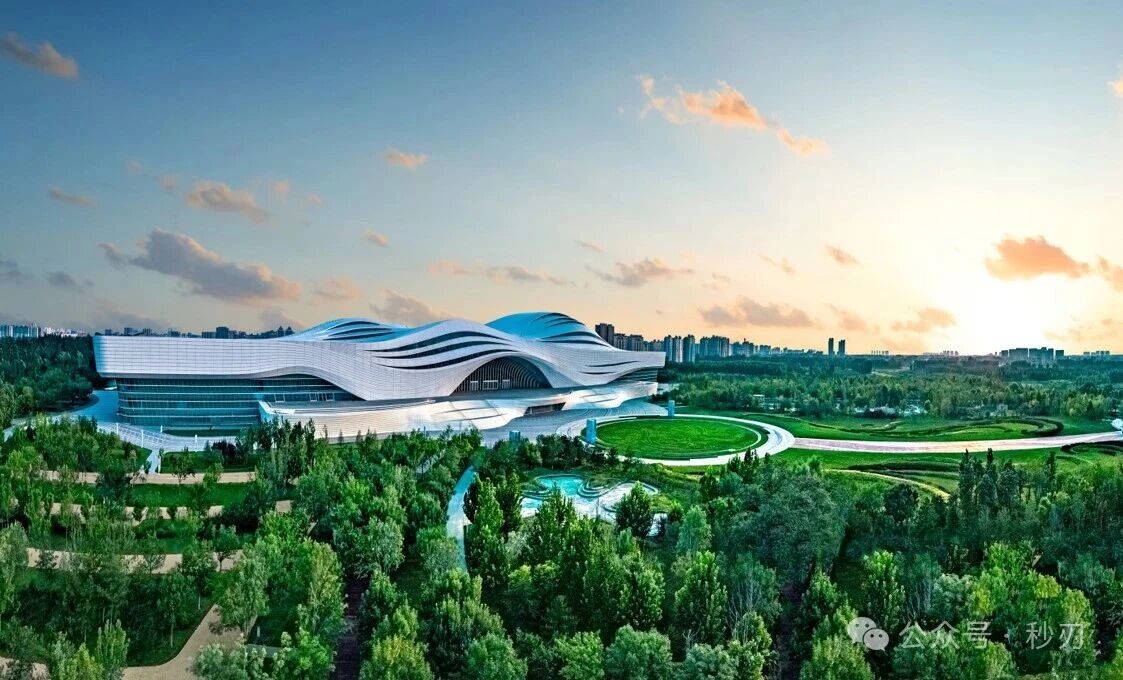
The building was designed with a concept translated as "flowing clouds," and photographs of the complex show a low white structure whose roofline rises and falls in long waves against a landscaped park. Chinese coverage describes it as one of the largest comprehensive cultural complexes in the country, built around museums, galleries and theater clusters, and positioned as a cultural landmark for the Beijing-Tianjin-Hebei region.
Why an art center, not a convention hall
Venue choice is a statement at a show that insists the art knife belongs in the fine-art ecosystem. A convention center offers floor area and loading docks. An art center offers museum-grade lighting, controlled display conditions, wall space and an audience already in the habit of looking at objects without touching them. For a fair whose premise is that a blade can be read as sculpture, the second setting does the arguing before a single label is read.
The organizer's announcement makes this explicit, describing the center's infrastructure and its mission of cross-border artistic dialogue as the reason the venue fits. The same material notes the building was conceived as a major engine for East-West cultural exchange, which aligns with a program promising works by both international and Chinese makers.
Finding the exhibition inside the complex
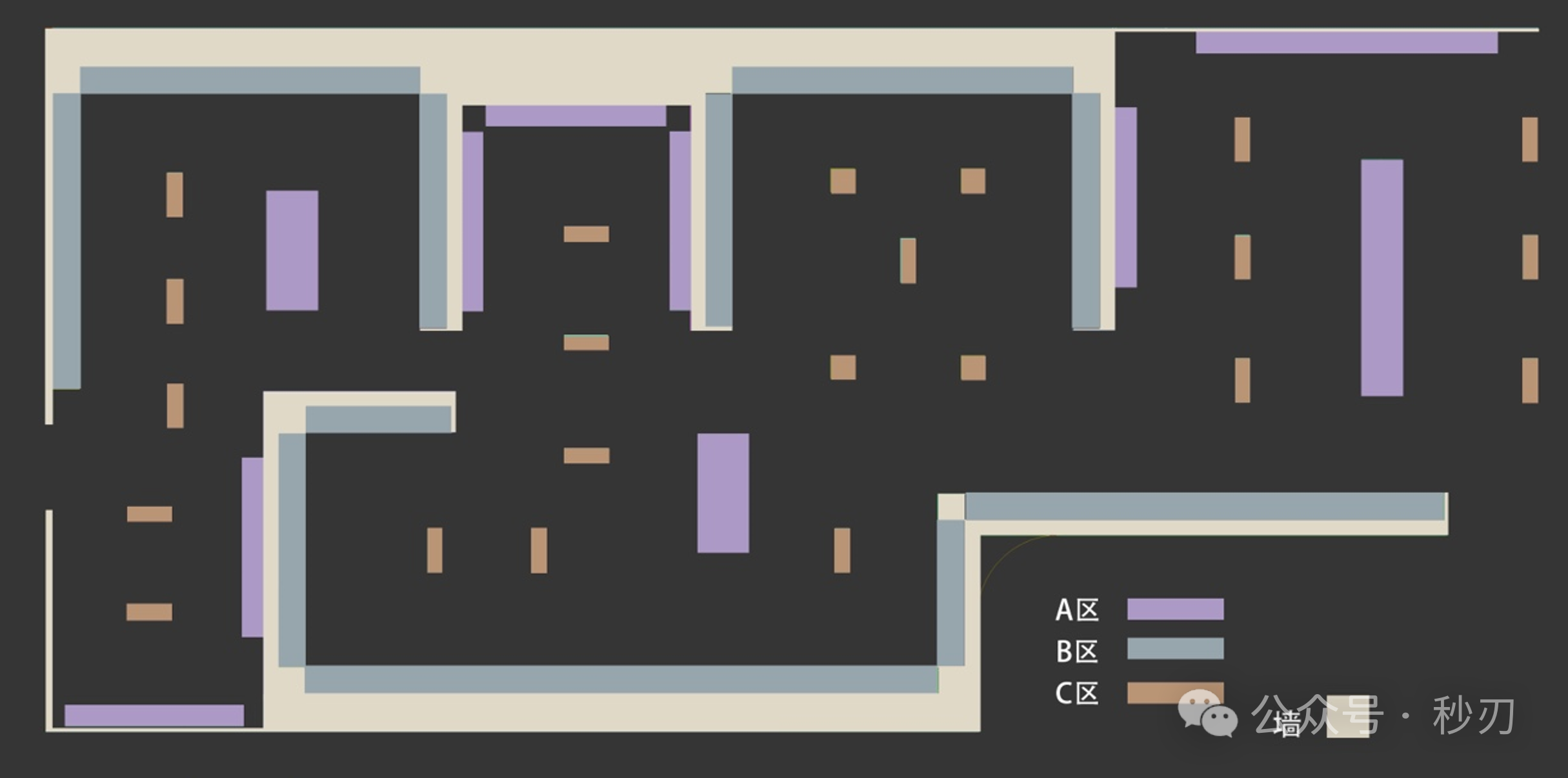
Practical details from Chinese coverage place the 藏·锋 exhibition in the H6 hall, described as the north hall on the fourth floor of the east wing. A published floor plan and a three-dimensional layout diagram show partitioned gallery spaces with color-coded zones, a configuration much closer to a museum exhibition than a grid of vendor booths. That layout changes how a visitor moves: through a sequence of rooms rather than along numbered aisles.
Opening hours reported for the exhibition were 10:00 to 18:00 Tuesday through Sunday, with Mondays closed and last entry at 17:30. Those hours are museum hours, not trade-show hours, which is consistent with the rest of the framing.
The regional calculation
Langfang's location is not accidental either. A 20-minute high-speed rail link puts the complex within reach of Beijing's collector base while giving the fair a larger, quieter site than a downtown venue could offer. For international makers and dealers, the announcement describes direct access to an emerging market for collectible art housed in a building with genuine architectural and institutional weight.
Published opening hours were 10:00 to 18:00 Tuesday through Sunday with Mondays closed and last entry at 17:30, a museum timetable rather than a trade-show one. That choice reinforces the fair's premise: visitors are asked to look at objects in gallery conditions, on a schedule that assumes contemplation instead of a quick pass through a sales aisle. A venue of this size also lets the program separate historical arms from contemporary art knives into distinct rooms, which a single convention hall could not do as cleanly.
The white wave of the roof, visible from across the park, is the image the fair chose to open with.